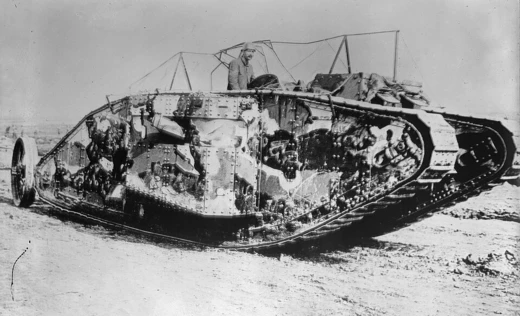
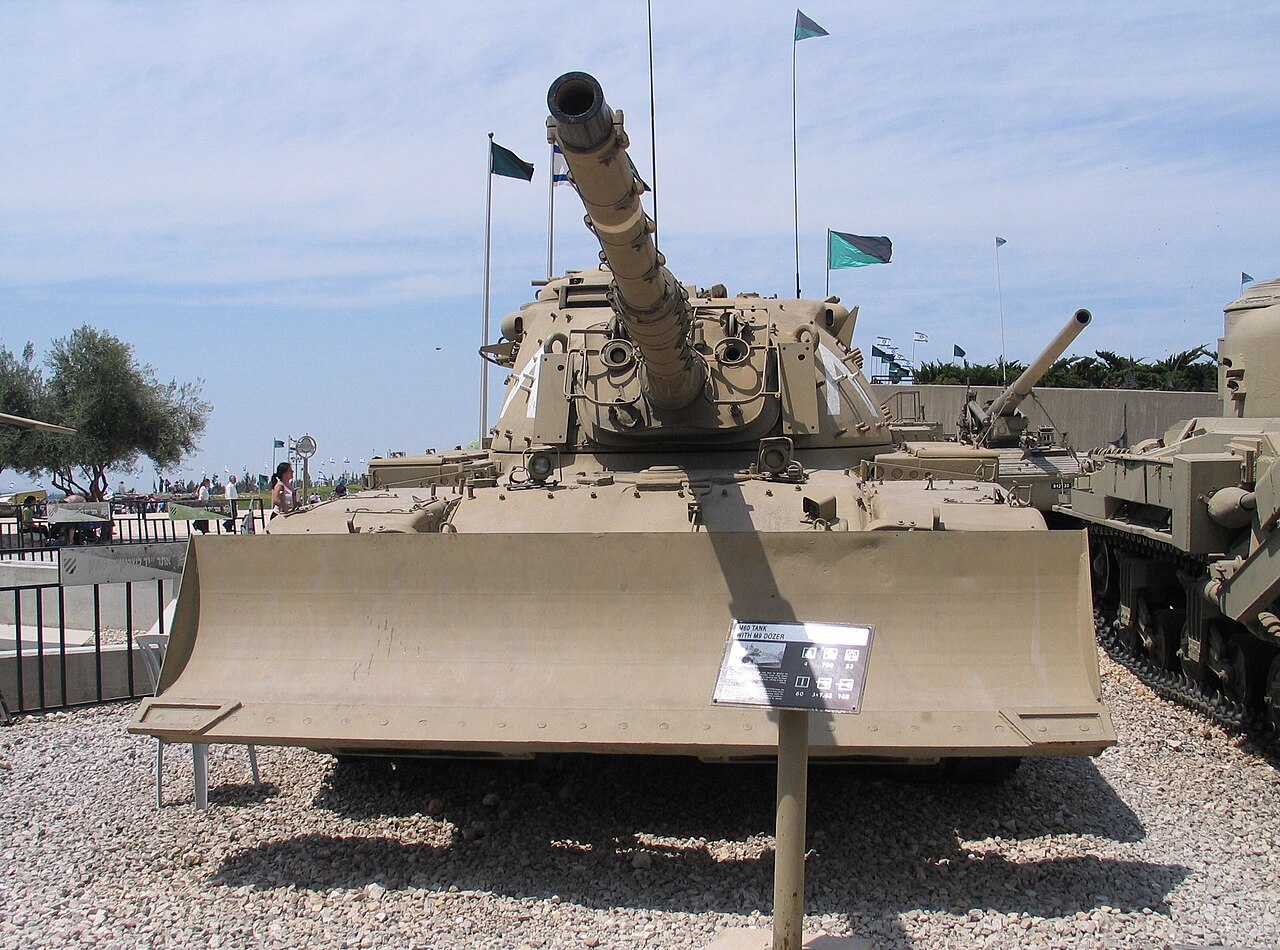
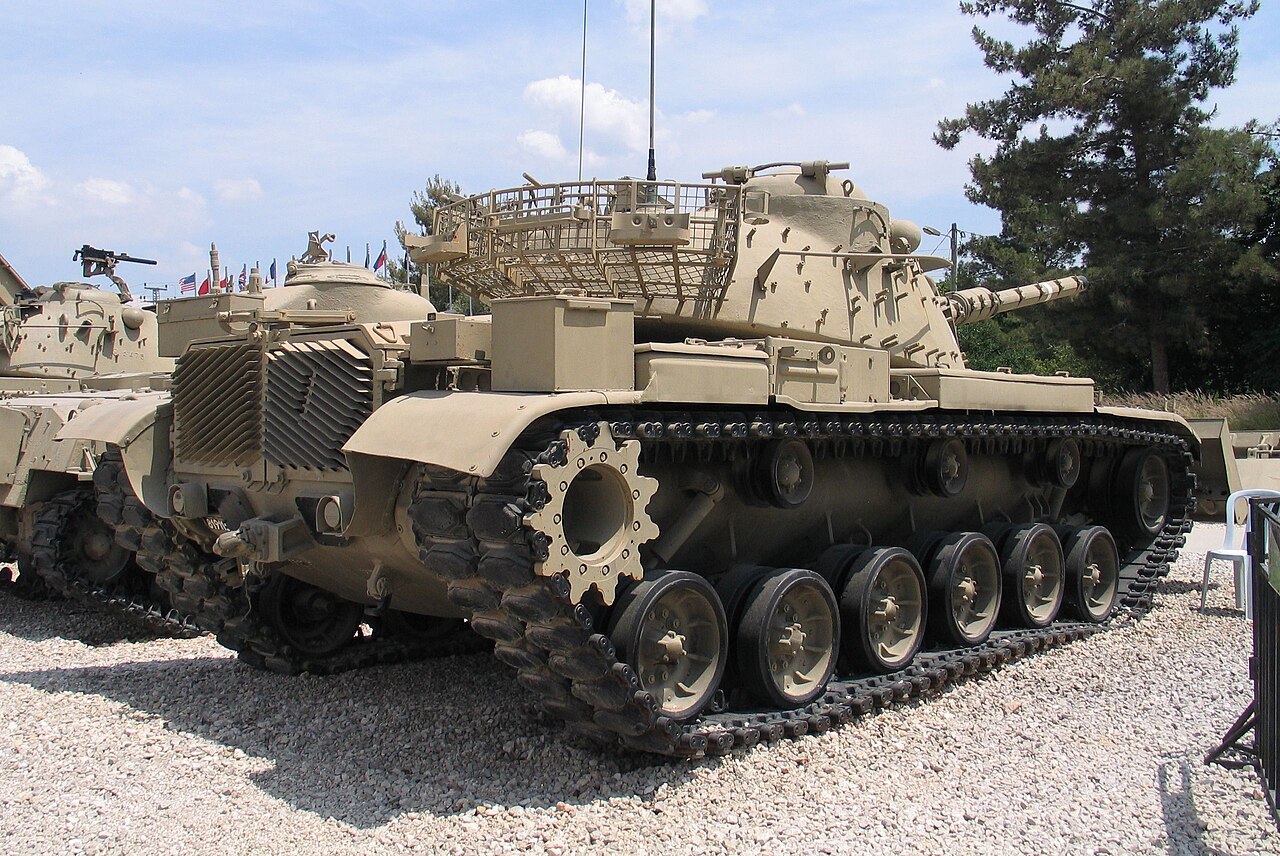
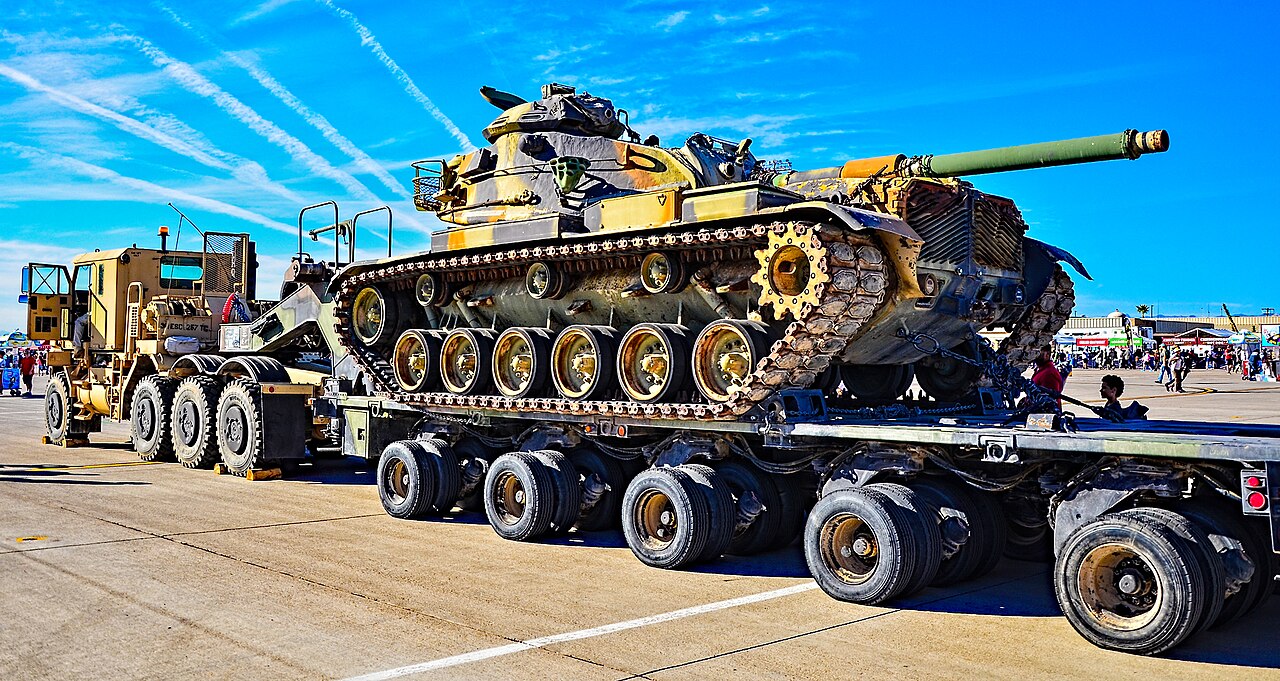
M60 Patton
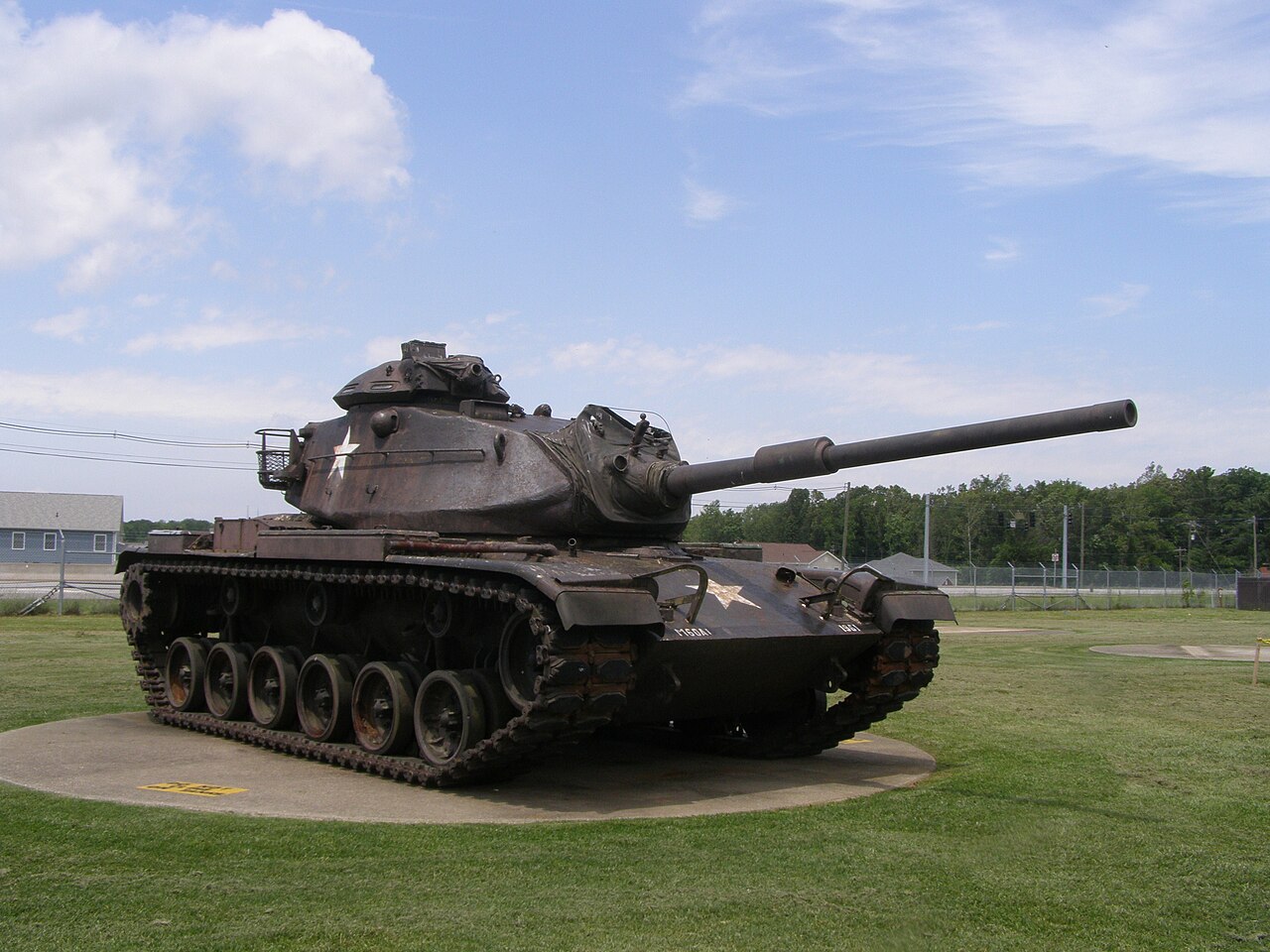
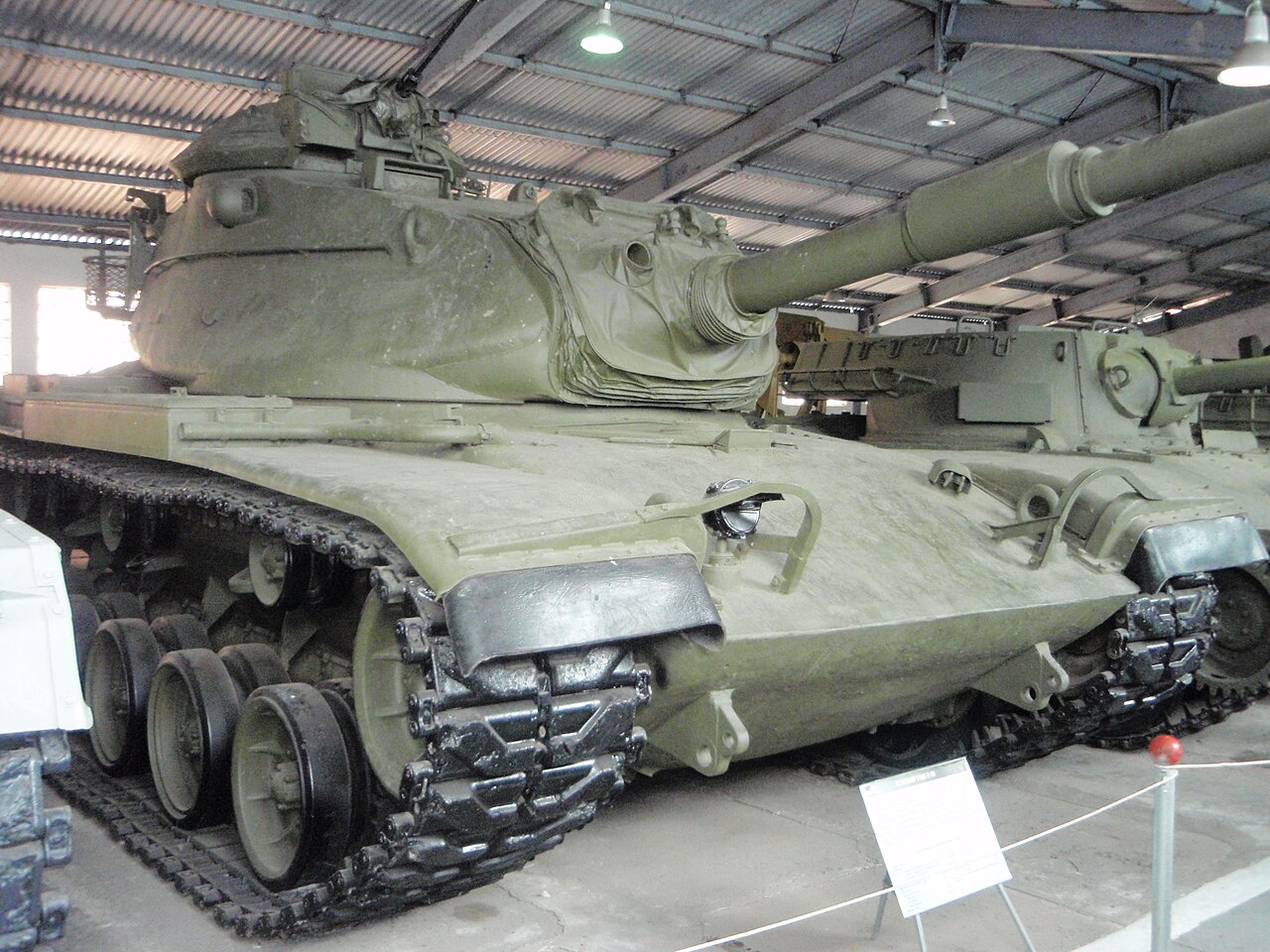
American second-generation main battle tank, Cold War mainstay.

Chris Light · CC BY-SA 4.0
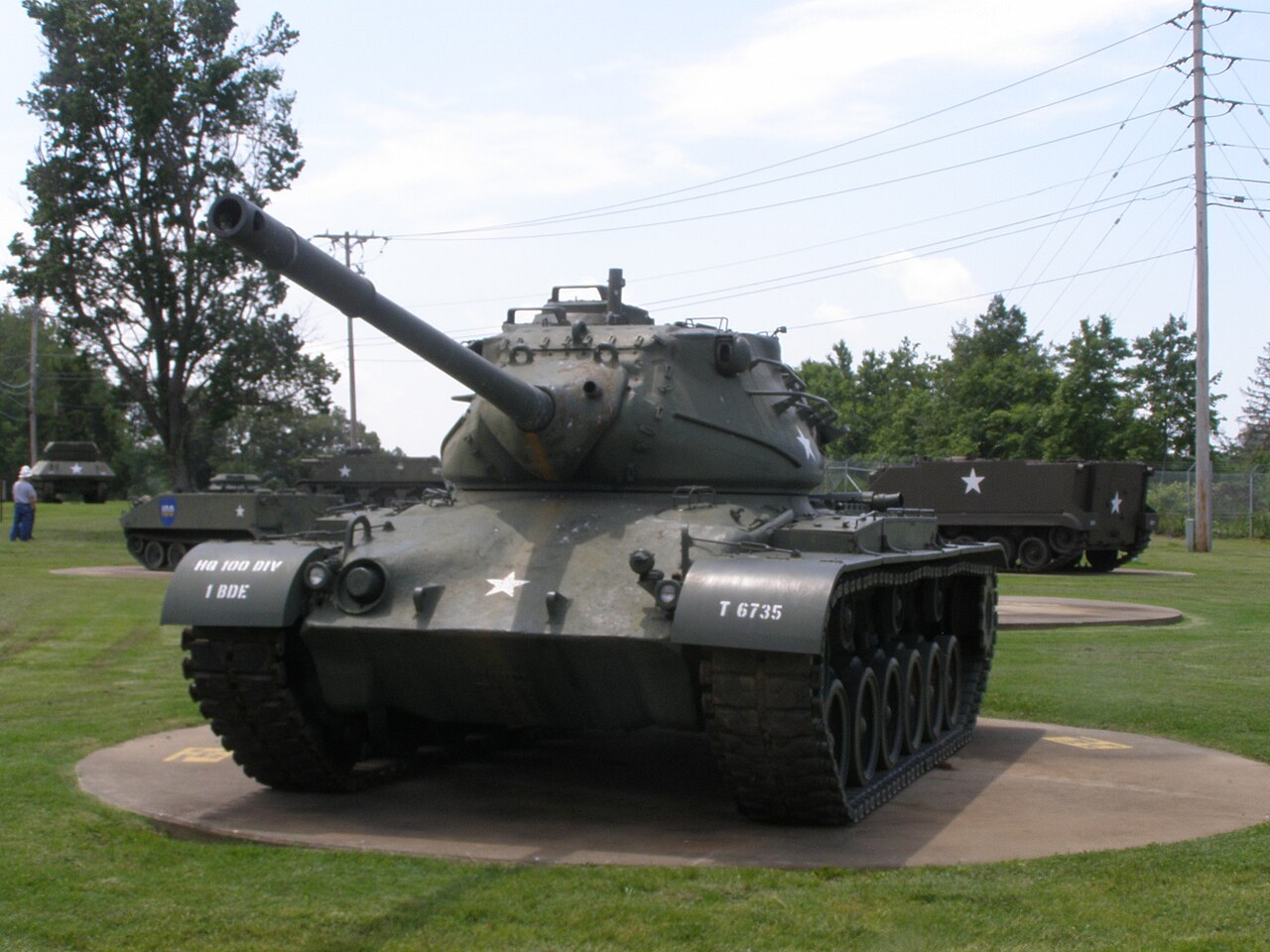
Although developed from the M48 Patton, it was never officially christened as a Patton tank, but is often called a 'product-improved descendant' of the Patton design.
- Type
- Main battle tank
- Nationality
- United States
Lore & Background
The M60 was developed from the M48 Patton, incorporating improvements such as a diesel engine and a more powerful main gun. The M60 reached operational capability with US Army European units beginning in December 1960.
Reader's Guide
Despite being superseded by the M1 Abrams, M60-series vehicles continue in front-line service with many countries, often highly upgraded. The tank's hull also served as the basis for many support vehicles.
Did You Know?
- The M60 was never officially named a 'Patton' tank, though it was developed from the M48 Patton.
From Korean War Urgency to a New Standard
The M60 emerged from a period of intense pressure following the Korean War, when American tank forces felt they were falling behind the Soviet Union in both capability and numbers. British attaché Lt Col Noel Cowley assessed its armor and concluded the Centurion's 20-pounder could not reliably defeat it.
A Proven Combatant Across Four Decades
Tanks delivered to Iran also saw action in the Iran-Iraq War. Despite this, the platform has not disappeared from the battlefield; numerous nations continue to operate heavily modified M60s with upgraded firepower, mobility, and protection packages tailored to modern threats.
Engineering for Longevity
One of the M60's defining strengths was its capacity for sustained modernization. The interior layout, inherited from the M48 design, provided generous space that allowed engineers to integrate new systems without a complete redesign, stretching the vehicle's operational life well beyond four decades. The tank's robust hull also served as the foundation for a broad family of derivative vehicles, including armored recovery vehicles, bridge layers, and combat engineering platforms. Though superseded domestically by the M1 Abrams, the M60's modular design philosophy ensured it remained a viable and adaptable platform long after its American front-line career ended.
A Global Footprint and an Unofficial Name
Despite its deep roots in the American Patton lineage, the M60 was never officially christened as a Patton tank; it has been described as a "product-improved descendant" of that design, with clear visual and structural parallels to the M48A2. The tank was widely adopted by US Cold War allies, particularly NATO members, and its global footprint remains substantial. The M60's operational debut came in December 1960, when it was first fielded to US Army units in Europe. Even after the United States withdrew it from active front-line service, the M60 continues to anchor the armored forces of several nations, each applying its own modernization packages to keep the platform competitive on the contemporary battlefield.
Common Misconceptions (Editorial)
Many people mistakenly refer to the M60 as an officially named "Patton" tank, but it was never officially christened as such. While it was developed from the M48 Patton, it is more accurately described as a "product-improved descendant" of the Patton design.
Why It Matters (Editorial)
The M60 represents a crucial transitional era in armored warfare, bridging the gap between the post-World War II Patton lineage and the modernized design philosophies of the Cold War. Its decade-long operational service beginning in 1960 demonstrates how incremental improvements—like switching to a diesel engine and a more powerful main gun—can extend the relevance of a proven platform long after its original design concept might seem outdated.
Gallery
Frequently Asked Questions
What role does M60 Patton fill?
It served as the backbone of United States and allied armored forces throughout the Cold War as the primary main battle tank. Its design covered the full spectrum of direct-fire, armor-piercing, and area-suppression duties expected of a frontline MBT of that era.
Why is M60 Patton important to tank history?
It bridged the gap between first-generation post-war designs and the fully fire-control-integrated third-generation tanks that followed, giving the US a reliable, mass-produced armored backbone for over three decades. Its extensive combat record across multiple conflicts made it one of the most battle-tested Western MBTs ever fielded.
More in Tanks 1-21
Spotted an error? Know more?
This is a living reference — every entry is fact-audited, and reader corrections feed straight into our audit queue. Suggest an edit · See this site's audit record